
TREATMENT METHODS
Acupuncture in Poznań: Chinese medicine in clinical practice
Acupuncture as an adjunct to physiotherapy, never a replacement. Combining both produces results neither approach achieves alone.
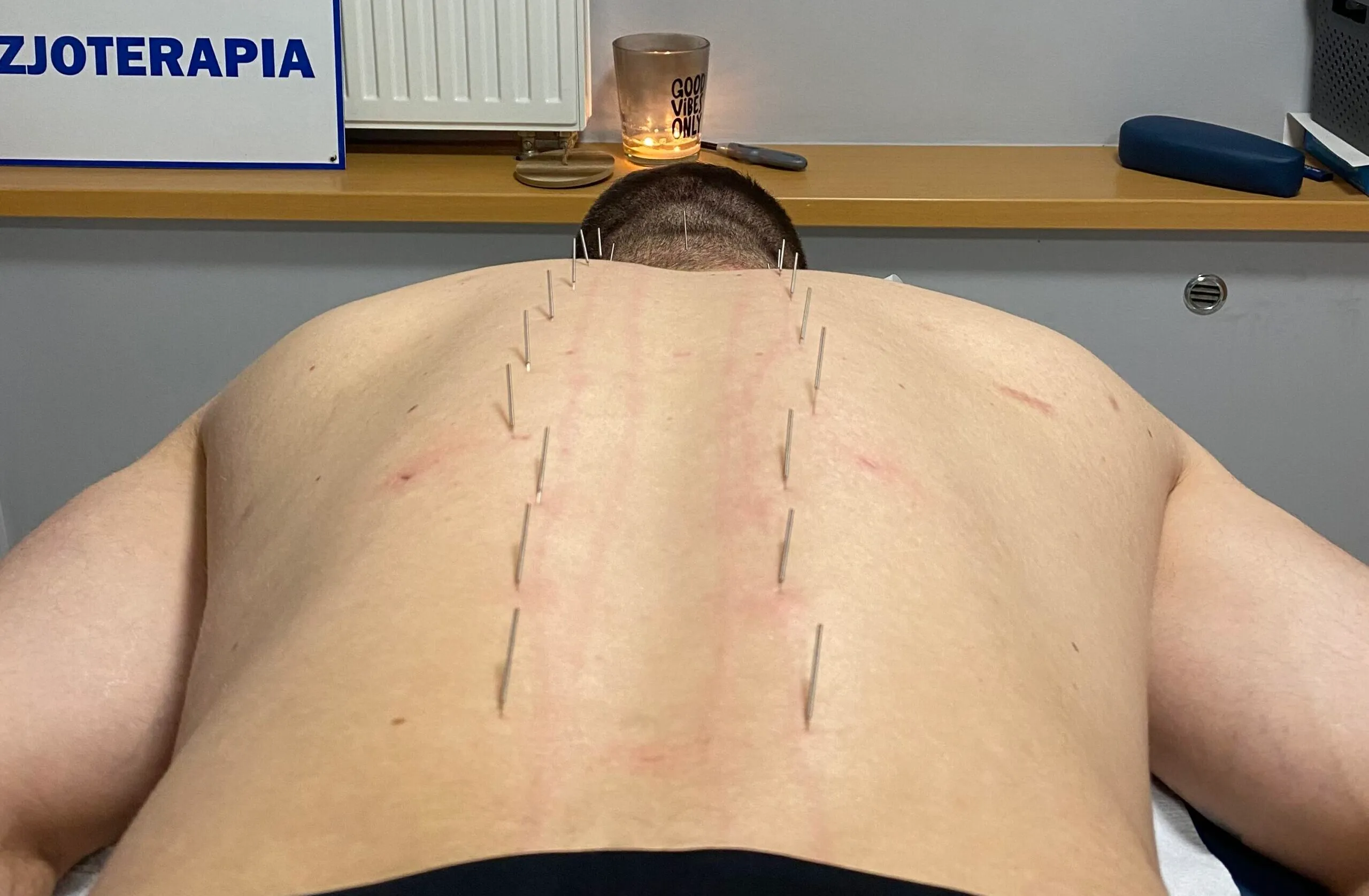
What is acupuncture?
Acupuncture in Poznan as part of an English-speaking physiotherapy practice.
A traditional Chinese-medicine method used here as an adjunct to manual
therapy and exercise. Sterile single-use needles, intake-based point
selection and clinical judgement on when needling actually helps and when
it does not.
Acupuncture is one of the oldest medical techniques in the world and an
integral part of Traditional Chinese Medicine (TCM). In my clinic, I
use it as an adjunct to physiotherapy: it supports recovery, modulates
the nervous system and circulation, but never replaces hands-on manual work
or therapeutic exercise.
Theoretical foundation: Qi and meridians. TCM describes a vital energy
called Qi flowing through pathways called meridians. Stress, injury,
infection or lifestyle imbalance can disrupt this flow, leading to pain,
tension, or functional issues. Stimulating specific points with thin needles
helps restore flow and activates neuro-immunological and hormonal mechanisms.
What a session looks like. The visit starts with intake and TCM
assessment: tongue observation, pulse evaluation, energetic state. Based
on this I select stimulation points. I use only sterile, single-use
stainless steel needles. Insertion is usually painless or causes minimal
discomfort, comparable to a mosquito bite. You may feel slight tingling,
warmth or fullness, which are natural responses.
Electroacupuncture as a variant. In selected cases I combine needles
with gentle low-current electrical stimulation. This allows precise control
over intensity and duration, particularly useful for deep or chronic issues.
Safety. Acupuncture is classified as invasive (skin penetration), but
in trained hands with sterile single-use needles, it is safe and
well-tolerated. Contraindications are limited: bleeding disorders,
infections at insertion sites, severe immune compromise. Acupuncture is
recognised by the WHO as adjunctive therapy for over 100 conditions.
INDICATIONS
When I combine acupuncture with physiotherapy
Based on clinical practice and evidence-based medicine guidelines.
Spine and joint pain
Sciatica, frozen shoulder, runner's knee, supplementing manual therapy.
Migraines and tension headaches
Helps release neck-shoulder tension, complements hands-on work.
Stress and nervous tension
Insomnia, burnout, chronic stress. Supports autonomic nervous system regulation.
Neurological conditions
Neuralgia, paresthesia, facial nerve palsy (after consulting your neurologist).
Recovery support
Post-injury recovery, periods of intense training or overload.
Chronic complaints
Where physiotherapy alone gives slow results, acupuncture adds reinforcement.
Common questions about acupuncture
Does acupuncture hurt?
How is acupuncture different from dry needling?
How many sessions until I see results?
Are there contraindications?
Will acupuncture replace physiotherapy?
Related treatment methods
I often combine acupuncture with these techniques in the same session.
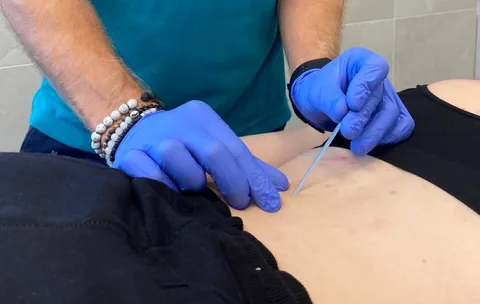
Dry needling in Poznań: precise trigger point release
Dry needling, a Western technique targeting muscle trigger points. Different logic from acupuncture, though both use needles.
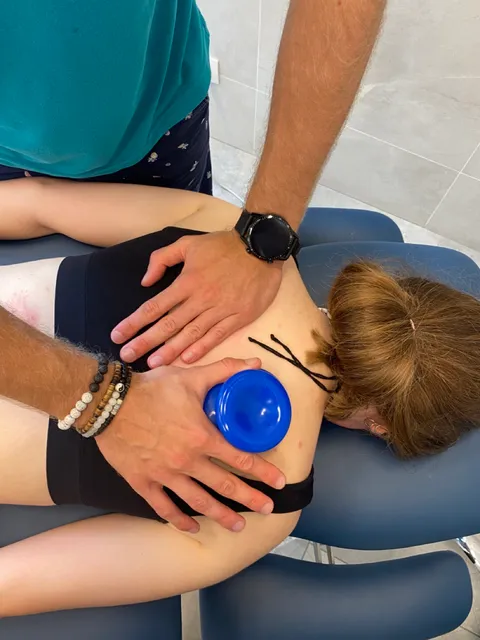
Soft tissue techniques in Poznań: tension, scars, and fascia
Cupping, IASTM, deep-tissue work, often combined with acupuncture in one session for a full release effect.
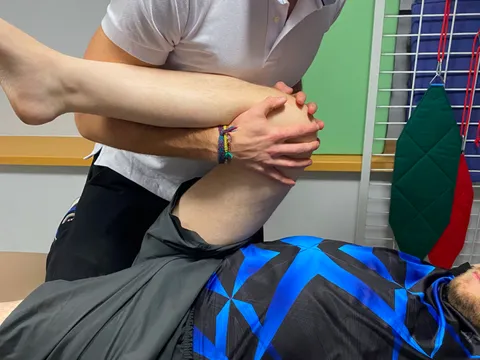
Manual therapy in Poznań: the foundation of every visit
Hands-on joint and muscle work. Acupuncture supports, but physiotherapy is the foundation of every visit.
Ready to book an acupuncture session?
No referral, no waiting lists. The first visit is a complete assessment and clear plan, not guesswork. Acupuncture only when I see it will help.
Book a visit