
TREATMENT METHODS
Manual therapy in Poznań: the foundation of every visit
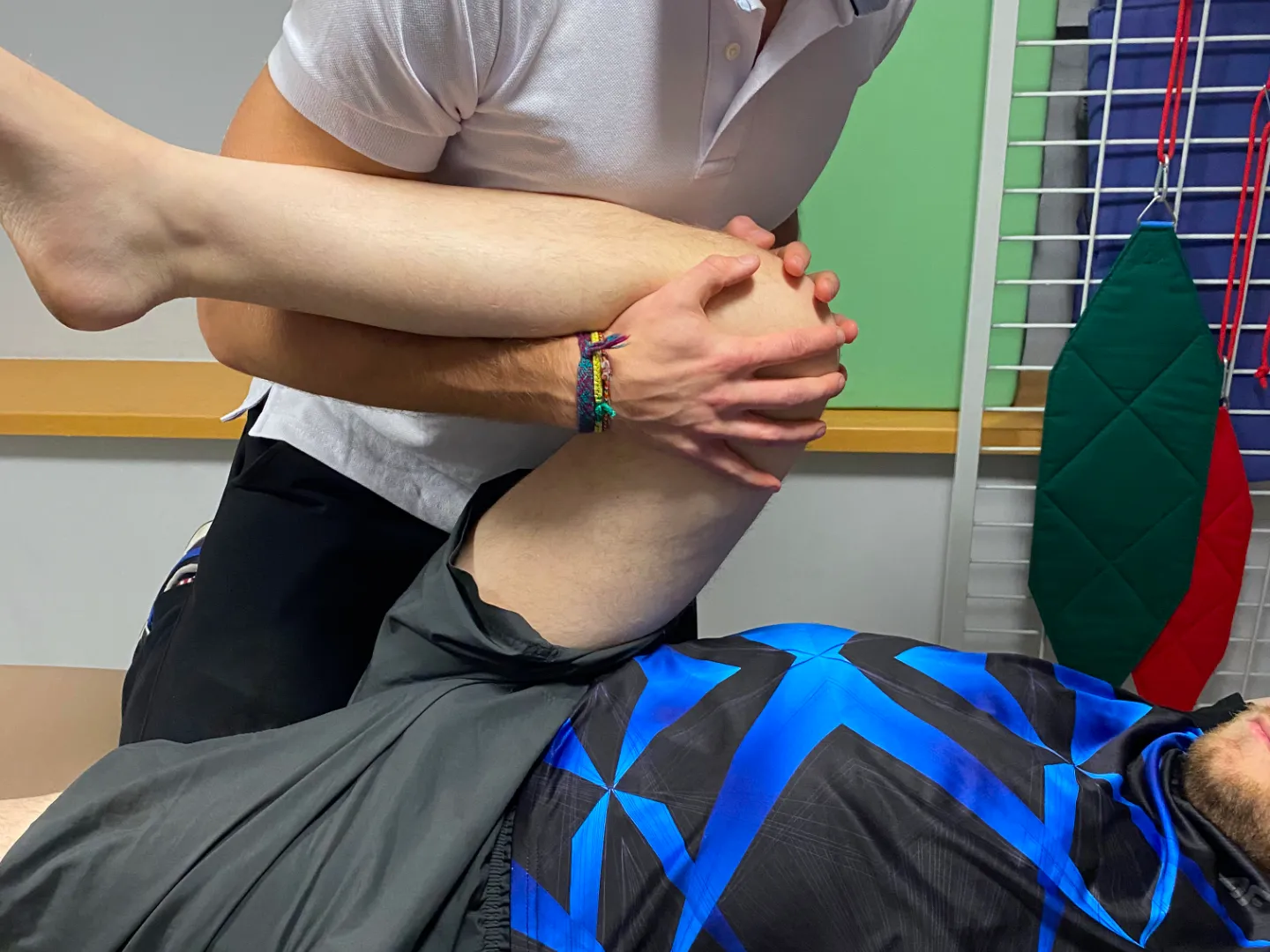
A form of physiotherapy based on the therapist's precise hands. Diagnosis, pain reduction, and restored range of motion, supported by current anatomical, biomechanical, and physiological knowledge.
What is manual therapy?
Manual therapy is a form of physiotherapy that uses specialised hands-on
techniques. Its main goal is diagnosis, then improving musculoskeletal
function, reducing pain, and restoring proper range of motion. The technique
is based on current anatomical, biomechanical, and physiological knowledge
and is supported by scientific evidence.
Techniques used: mobilisations, manipulations, myofascial techniques,
stretching, neuromobilisations. Selection depends on the problem, the
patient's condition, and ongoing clinical assessment. I often combine
several techniques within a single visit.
Goals of manual therapy:
- Pain reduction. Working on muscles, fascia, and joints reduces
back, neck, shoulder, and limb joint pain. - Improved mobility. Manual techniques increase joint range of motion
for free, painless movement. - Biomechanical balance. Balancing muscle tension and improving posture.
- Soft-tissue release. Myofascial therapy and stretching techniques
work on tense and overloaded muscles. - Nervous-system stimulation. Neurodynamic techniques can improve
nerve function, reducing numbness, tingling, or muscle weakness.
A non-invasive, effective, and safe method, used both in young, active
patients and in older patients.
Visceral therapy as an adjunct. In selected cases (e.g., chronic
thoracolumbar tension coexisting with visceral symptoms) I use visceral
techniques, which are manual work with internal organs through their
ligaments and fascia. Not as a standard component of every visit, but
where clinical indications justify it.
INDICATIONS
When I use manual therapy
Spine pain
Cervical, thoracic, lumbar, the most common patient group in my clinic.
Overuse syndromes
Muscle tension from desk work, sport, or repetitive movements.
Sports injuries
Sprains, strains, peripheral joint injuries (knee, shoulder, hip, wrist).
Post-surgical recovery
ACL, shoulder, spine, hip. Safe return to function after surgery.
Restricted range of motion
Postural disorders, frozen shoulder, stiffness after immobilisation.
Cervicogenic headaches
Headaches from cervical spine often respond well to manual neck work.
Common questions about manual therapy
Are spinal manipulations safe?
How many sessions are needed?
Can manual therapy be painful?
How is manual therapy different from massage?
Do you do visceral manipulations?
Related treatment methods
Manual therapy is the foundation. I often combine it with these techniques.
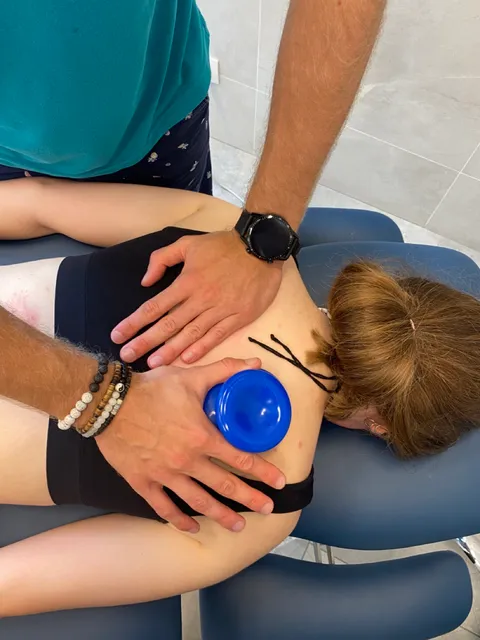
Soft tissue techniques in Poznań: tension, scars, and fascia
Deep tissue, IASTM, taping. Complement manual work in extra-articular tissues.
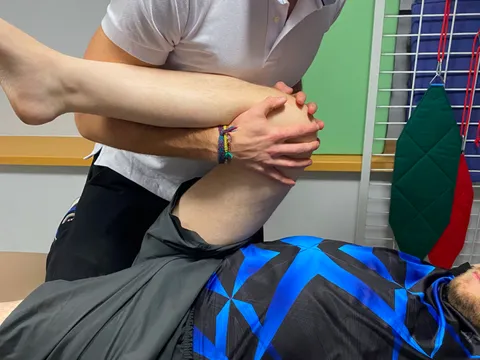
Clavitherapy in Poznań — Polish Pressure-Point Therapy
Klawiterapia, a Polish acupressure method using clinical pressure tools. Used as an adjunct for chronic tension patterns.
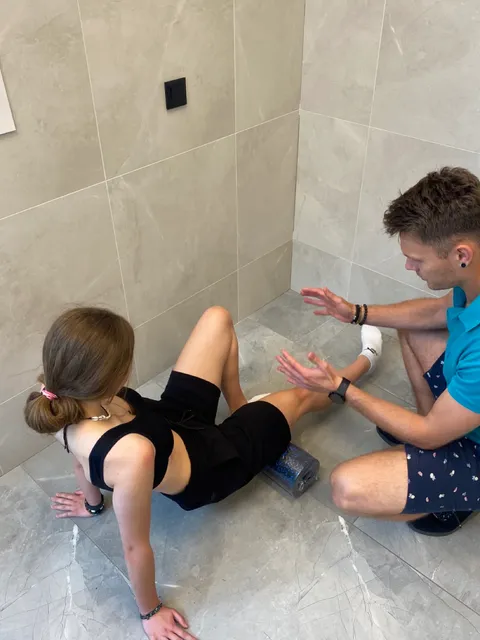
Medical training in Poznań: learn how not to come back with the same problem
Home exercise plan that solidifies manual therapy results and prevents relapse.
Book a manual therapy session
No referral, no waiting lists. The first visit is a complete assessment and concrete treatment plan.
Book a visit