
TREATMENT METHODS
Patient education: leave the clinic with knowledge, not just relief
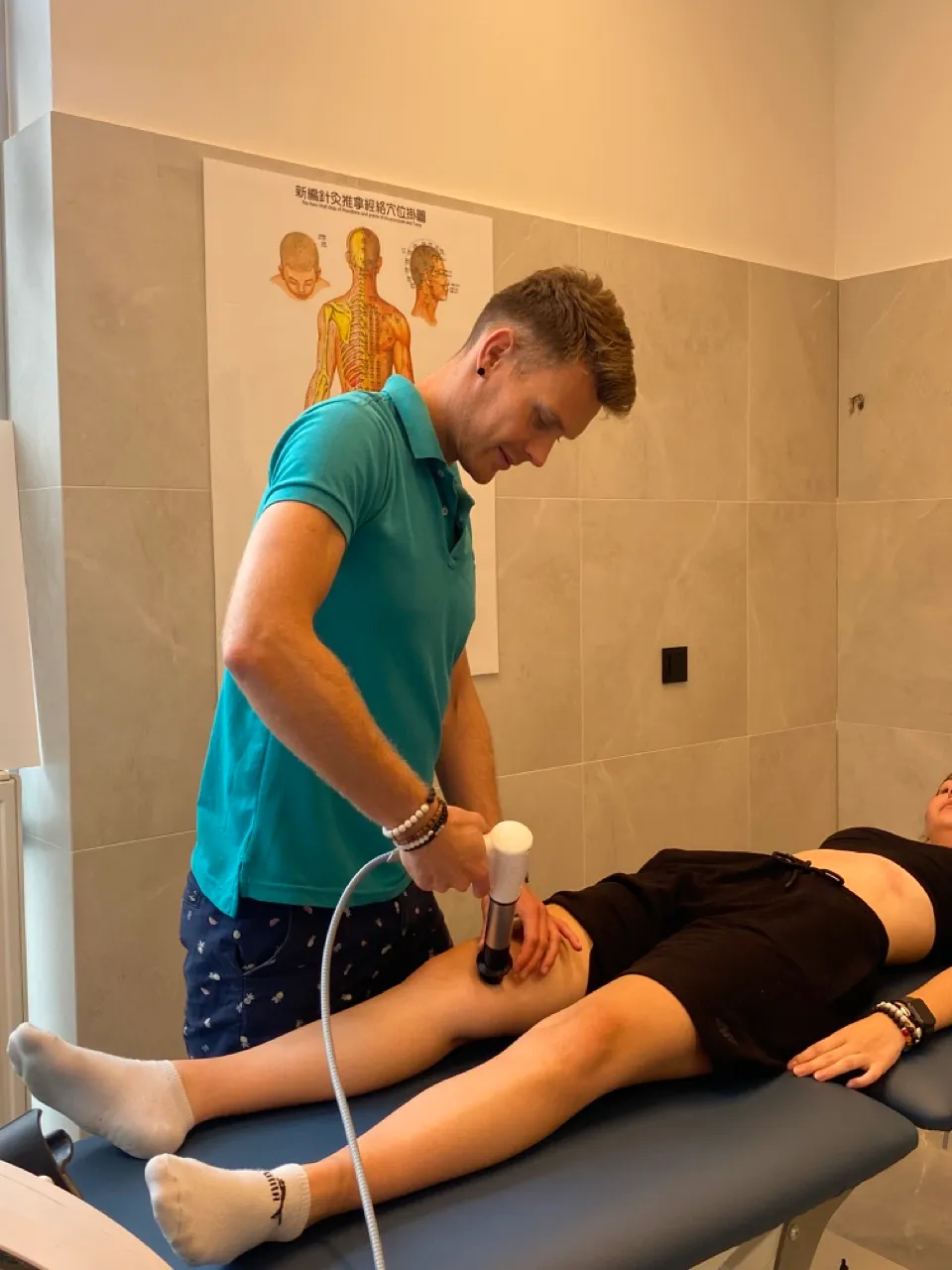
I explain what I'm doing and why. Causes of pain, mechanism of treatment, and what you can do yourself to make results last. Knowledge is part of treatment, not an extra.
Why education is part of treatment
A patient who understands their problem heals more effectively. This
isn't a nice add-on to a visit. It's one of the strongest predictors of
rehab outcomes. Research on chronic pain (especially Pain Neuroscience
Education) shows that simply explaining to a patient what pain is and
what it means in their specific case reduces pain intensity comparably
to some pharmacological interventions.
What I explain and how. Every visit includes an educational component:
sometimes brief, sometimes detailed. Depends on the patient's needs and
the nature of the problem. Specifically:
- Diagnosis in plain language, without excess jargon, without
over-interpreting scans. "You have thoracolumbar fascial overload, not
a torn disc." When MRI shows changes, I explain what they actually
mean for your pain, often less than it seems. - Mechanism of treatment. Why this technique should help, not another.
Why manipulation today, not a needle. Why exercise X, not Y. The goal:
you understand what we're doing together, not as a passive patient. - Ergonomic plan. Office work, sport, daily activities. Specific
changes to workstation, posture, daily rhythm. Practical, not theoretical. - Self-care plan. What you can do at home when it hurts. Which signals
require immediate consultation, which can be observed. Boundaries between
"normal recovery discomfort" and "sign to slow down." - Relapse prevention. Why the same pain might return and how to
prevent it. Most often a combination of exercise, ergonomics, and
knowledge of your own body.
Communication as a clinical tool. From 15 years of clinical practice
one truth emerges: a patient who understands their body comes back less
often. Not because they don't need help, but because they can manage 80%
of situations themselves.
WHAT IT COVERS
What education includes
Diagnosis explained
In plain language, without excess jargon. What's actually happening in your body.
Treatment mechanism
Why this technique, not another. Clinical logic in understandable form.
Ergonomic plan
Office work, sport, sleep, daily activities. Practical corrections, not theory.
Self-care plan
What to do at home when it hurts. Boundaries between "good" and "bad" pain.
Relapse prevention
Why the problem might return and how to prevent it long-term.
Pain neuroscience
Education on chronic pain biology, an evidence-supported intervention (PNE, Moseley 2003).
Common questions
Is education a separate visit or part of every one?
Can I record the consultation?
Will I get a written summary?
What if I don't understand the terminology?
Does education work for chronic pain?
Related treatment methods
Education weaves through every other method, most strongly with these.
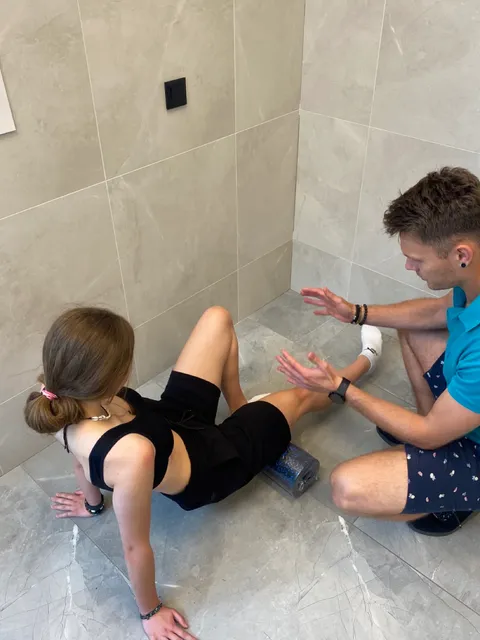
Medical training in Poznań: learn how not to come back with the same problem
Exercise plan without understanding why you do it stays on the shelf. Education is the foundation of medical training.
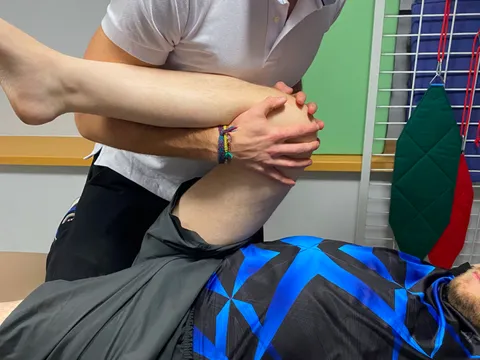
Manual therapy in Poznań: the foundation of every visit
I explain why a particular manual technique makes sense, so you're not a passive patient on the table.
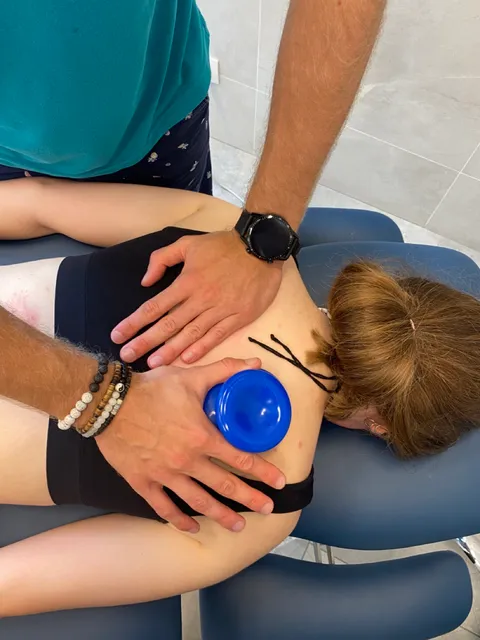
Soft tissue techniques in Poznań: tension, scars, and fascia
How to recognise scars or tension worth working on yourself between visits.
Book a visit and walk out with a plan you understand
No referral, no waiting lists. Every visit ends with a clear plan, no guesswork and no magical thinking.
Book a visit