
TREATMENT METHODS
Clavitherapy in Poznań — Polish Pressure-Point Therapy
Clavitherapy (Polish acupressure / pin-pressure technique) developed by Dr. Ferdynand Barbasiewicz. Stimulates over 1,100 mapped points on the body using a specialised instrument called a klawik, without breaking the skin.
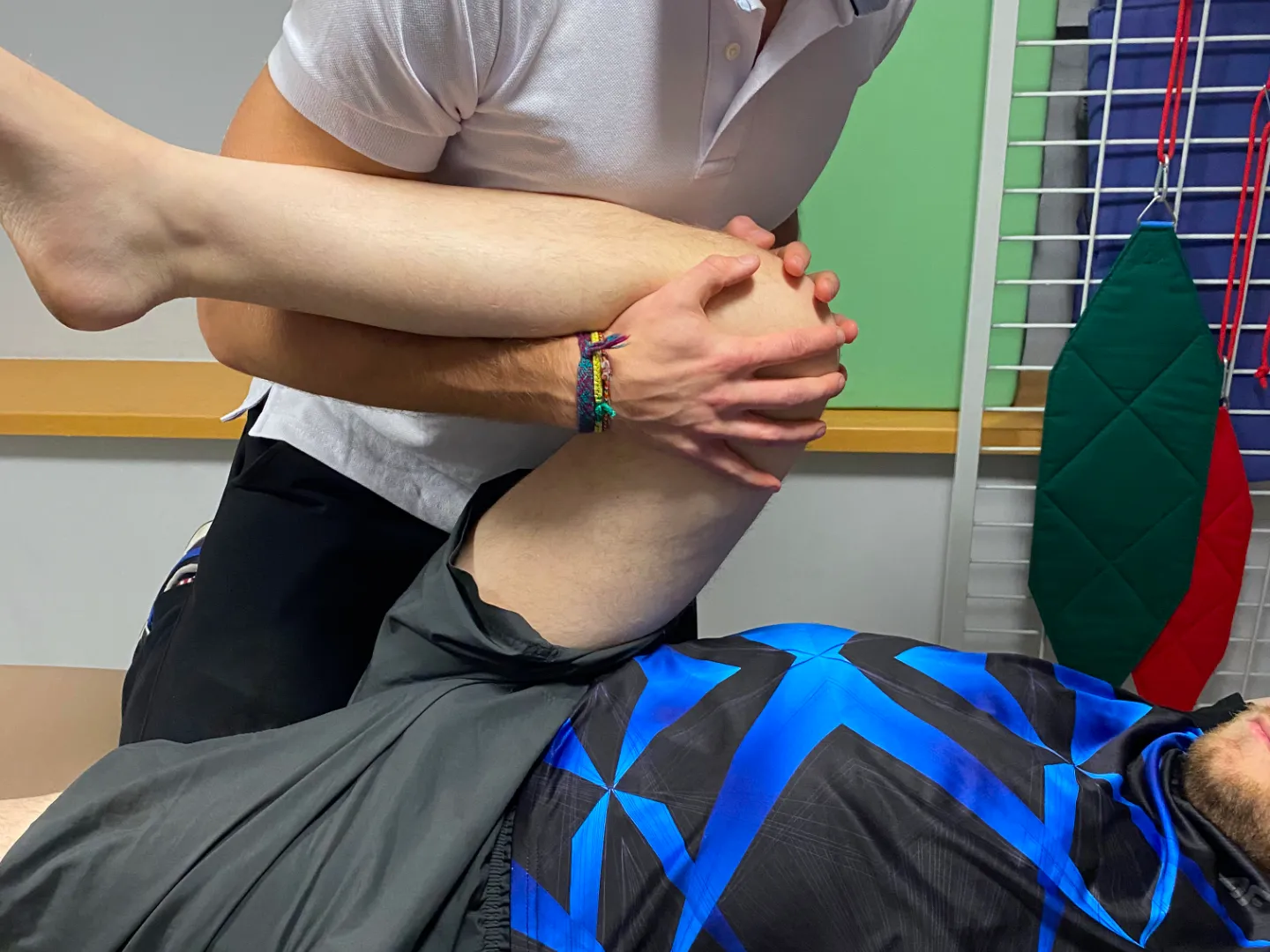
What is clavitherapy?
Clavitherapy in Poznań is a Polish, non-invasive acupressure method —
also searchable as klawiterapia (the original Polish name) or
pin-pressure therapy in English. Treatment uses small surgical-steel
instruments called klawiki to apply pressure to biologically active points
on the skin, without penetration. Developed by Dr. Ferdynand Barbasiewicz,
it combines reflexology, acupressure, and neurotherapy. A safe alternative
for patients who cannot tolerate needles.
Treatment goal. Stimulate nerve conduction and activate the body's
natural regenerative mechanisms by triggering reflex arcs. The body is
brought into a state of self-regulation and self-recovery.
How clavitherapy differs from acupuncture and dry needling. Despite
surface similarity, these are three distinct techniques:
- Acupuncture. Needles penetrate the skin, work on TCM meridians.
- Dry needling. Needles penetrate the skin, work on muscle trigger points.
- Clavitherapy. Instruments (klawiki) do not break the skin and work via pressure on biologically active points.
This non-invasive nature makes clavitherapy an appropriate option for
patients who cannot tolerate needles or have contraindications to invasive
techniques.
What a session looks like. I hold 2–7 klawiki, surgical-steel
instruments shaped like nails, and apply pressure to selected points on
the patient's body. The pressure is repeated 1 to 10+ times per point,
until symptoms ease. Intensity and frequency depend on the severity and
nature of the problem.
Clinical effects of clavitherapy:
- regulation of muscle tension
- improved nervous system function
- support for headaches and migraines
- relief from sinus conditions and hay-fever symptoms
- reduction of stress-related complaints
- support for neurodegenerative conditions
- spine and musculoskeletal pain
Over 1,100 mapped points. The method's creator identified over 1,100
biologically active points corresponding to various conditions. This allows
a holistic approach, addressing causes, not just symptoms.
Safety. The treatment is non-invasive and suitable for patients of
any age. Klawiki are sterile, pressure does not damage the skin. Mild
discomfort with severely tense muscles resolves immediately after treatment.
Improvement is often felt after the first session.
INDICATIONS
When I use clavitherapy
Particularly suitable for patients who cannot tolerate needle techniques or want a non-invasive approach.
Headaches and migraines
Points on the neck, face, and head often respond quickly to clavitherapy.
Tension muscle pain
Neck, shoulders, back, when needles are contraindicated or unwanted.
Stress and nervous tension
Effect on autonomic nervous system. Supportive in insomnia, anxiety, burnout.
Sinus conditions and hay fever
Facial points provide symptomatic support during flare-ups or chronic phases.
Spine pain
Clavitherapy as supplement to manual therapy, not replacement.
Patients with needle anxiety
Klawiki don't penetrate the skin, a safe alternative to acupuncture and dry needling.
Common questions about clavitherapy
Is clavitherapy the same as klawiterapia?
Does clavitherapy hurt?
How is clavitherapy different from acupuncture?
How many sessions are needed?
Does clavitherapy treat multiple sclerosis?
Can I combine clavitherapy with physiotherapy?
Related treatment methods
Clavitherapy often combines with these techniques in the same visit.
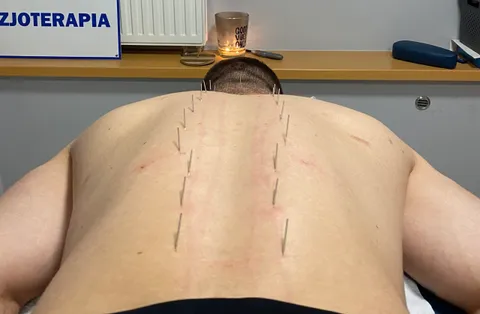
Acupuncture in Poznań: Chinese medicine in clinical practice
Acupuncture, when systemic effect with needle penetration on meridians is needed. Clavitherapy as a non-invasive alternative.
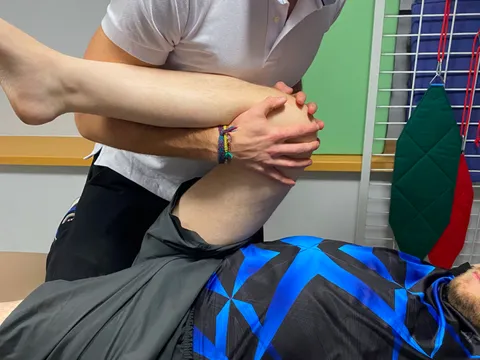
Manual therapy in Poznań: the foundation of every visit
Hands-on joint work, the foundation of every visit. Clavitherapy as supplement to point work.
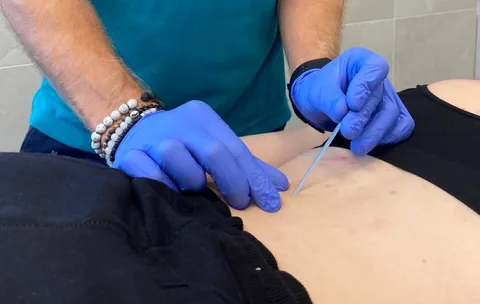
Dry needling in Poznań: precise trigger point release
Dry needling, when deep work on a specific trigger point is needed. Clavitherapy, when surface pressure suffices.
Book a clavitherapy session
No referral, no waiting lists. The right option if you need a non-invasive technique on biologically active points.
Book a visit